A science-backed approach to reducing airplane sickness.
Turbulence, takeoffs, banking turns — airplane motion sickness is driven by sensory conflict your brain hasn't fully adapted to. This 14-day training program is designed to help build that resilience.

51–58%
Symptom reduction proven in research14 days
To build lasting resilience900+
Training exercises across 10 levels15 min
Per day — fits any scheduleAirplane sickness is making flying harder than it should be.
Turbulence hits and the nausea starts. The window seat helps — until it doesn't. Airplane motion sickness turns what should be exciting travel into something you dread.
Car
Boat & Ship
Airplane
VR & Gaming
Reading in motion
Without Motion Relief
Dreading every flight before you even reach the airport
Choosing routes and seats to manage symptoms, not for convenience
Tensing up through turbulence waiting to feel unwell
Arriving at your destination exhausted and nauseous
Avoiding long-haul or connecting flights because of how you feel
With Motion Relief
Fly with more confidence as your resilience builds over 14 days
Choose your seat for the view, not to minimize symptoms
Land feeling more like yourself — not wiped out
Take longer or connecting flights with less anxiety over time
A training approach backed by peer-reviewed research
How it works
A structured, research-backed path from susceptible to resilient — in 14 days.
1
Take the free assessment
A 2-minute quiz that pinpoints your motion sickness type, susceptibility level, and the specific triggers that affect you most.
2
14 days of brain training
Follow guided, bite-sized visuospatial drills — the same type studied by researchers — in under 15 minutes a day.
3
Travel with confidence
Keep your results with lifetime program access. Revisit sessions any time triggers return — travel, sail, or ride worry-free.
This isn't placebo. The science is clear.
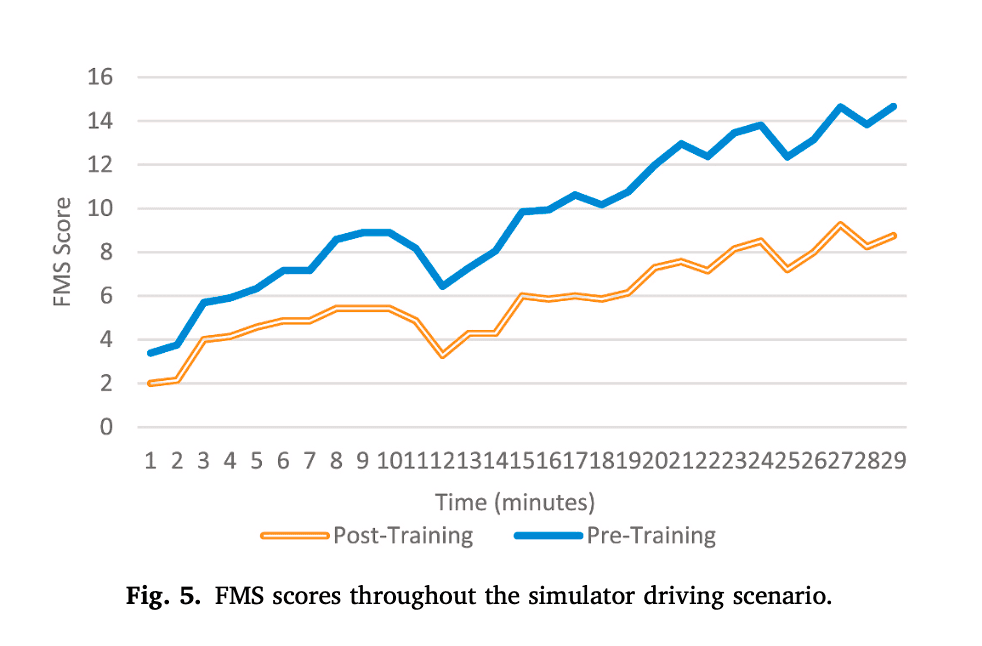
A landmark study (Smyth, 2020) showed that just ~15 minutes/day of visuospatial training for 14 days improved visuospatial ability by ~40% and reduced motion sickness by:
~51%
reduction in a driving simulator trial
~58%
reduction in an on-road trial (fewer dropouts)
Everything you need to build lasting resilience to motion sickness.
One program, lifetime access — every tool you need to train your brain and reduce your susceptibility over time.
Personalized Motion Profile
Your sickness type, susceptibility score, and top triggers — all in one clear report built from your assessment.
14-Day Training Program
Over 900 exercises across 10 progression levels. Each daily session takes under 15 minutes and adapts to your pace.
Travel-Day Checklist
A practical prep checklist to help you feel stable before you even start moving — your pre-flight, pre-sail ritual.
Breathwork App Access
A calm, in-the-moment breathwork routine to downshift nausea and regain control when symptoms flare during travel.
Progress Tracking
Log sessions, track your score over time, and see measurable improvement as your brain adapts.
Lifetime Access
Your program is always there. Refresh your training before big trips or whenever symptoms creep back.
Start free. Build lasting resilience.
Take the free assessment and get your personalized motion profile — no purchase required to start.
“
“I do think I feel generally more centered and grounded when being driven. The encouragement the program gives you when things are challenging — that was actually really helpful.”
Early member
Car passenger · Completed the full 14-day programQuestions answered
When can I start?
Right away. Take the free assessment now — no account required to begin. You can set up your profile and start Day 1 immediately after.
Is this backed by science?
Yes. Our program is built on peer-reviewed research. A landmark study (Smyth, 2020) showed that ~15 minutes/day of visuospatial training for 14 days reduced motion sickness by ~51% in a simulator and ~58% in an on-road trial. Our exercises target the same brain mechanisms.
How does visuospatial training help?
Motion sickness happens when what your eyes see conflicts with what your inner ear senses. Visuospatial training strengthens the brain networks that help resolve that conflict — so triggers may fire less often and with less intensity over time. Research has shown meaningful symptom reduction after a 14-day training period.
How much time does it take each day?
Under 15 minutes. Most sessions are 10–12 minutes. Consistency matters more than duration — daily repetition is what drives adaptation. You can do a session on your lunch break.
What if it doesn't work for me?
There's a 30-day money-back guarantee. If you've given it an honest try and aren't seeing results, email support@motion-relief.com within 30 days of purchase and we'll promptly refund your payment — no questions asked.
What happens after I complete the 14 days?
You keep lifetime access to the program. Most people follow a light maintenance routine — a few sessions before travel or VR — to lock in their gains long-term. Many revisit the full program when symptoms return after a gap.
Your first step costs nothing.
Take the 2-minute assessment and get your personalized motion profile — free, with no purchase required.
Take the Free Assessment